
Blog
Paint By Numbers From China: Factory Prices vs Retail - Honest Quality Test

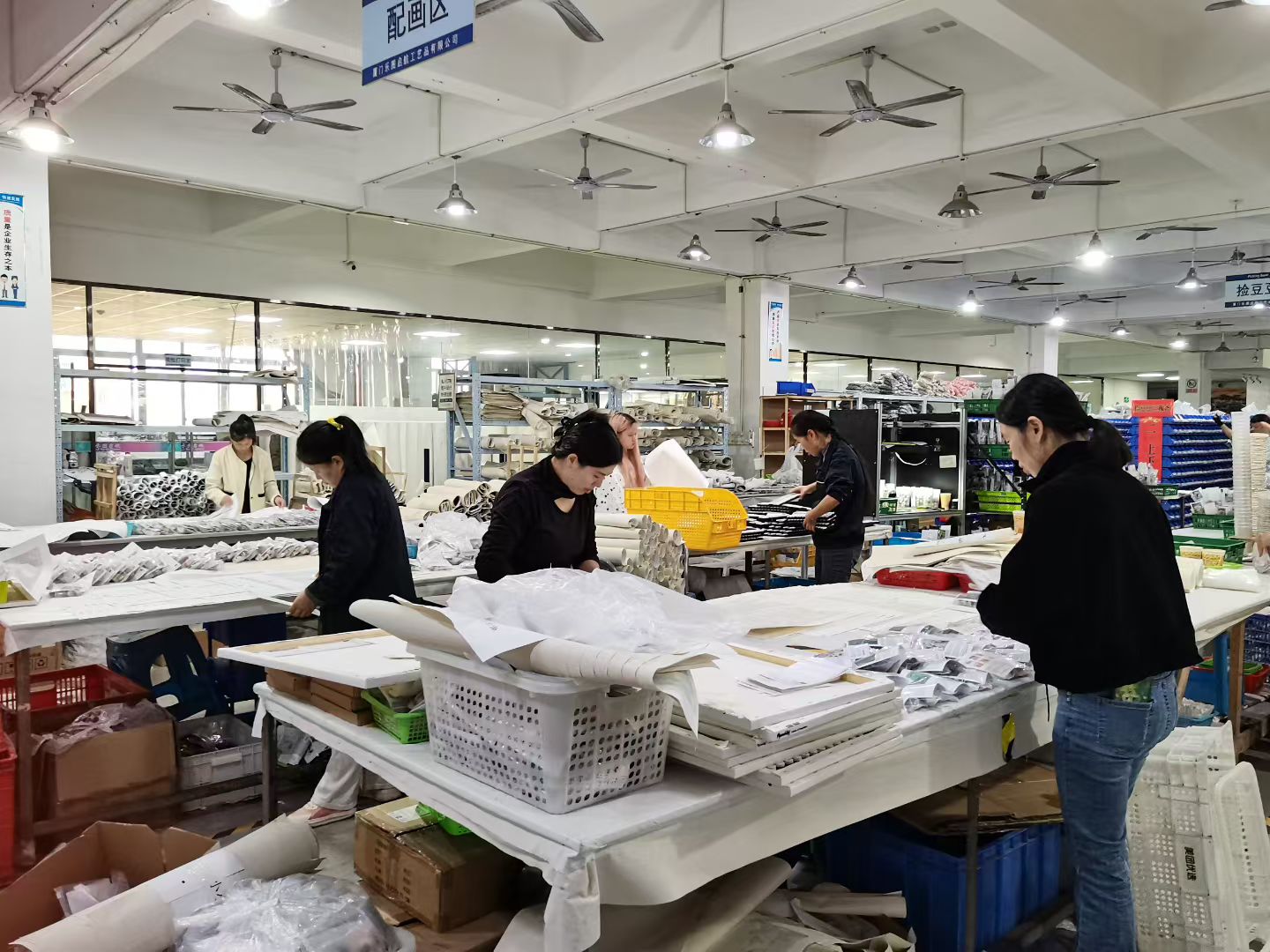
Paint by numbers factory prices are shockingly different from what you'll find at retail stores. A standard kit that costs $16.99 to $64.95 in retail shops can be purchased directly from Chinese factories for just $0.85 to $1.60 per set. Surprisingly, some simpler designs start as low as $0.07 per set.
When exploring paint by numbers factory options, I discovered these kits are trusted by over 60,000 painters worldwide with more than 1,000 five-star reviews. Additionally, factory paint by numbers offerings include everything from cute cartoon designs for children to sophisticated landscapes and fashionable portraits for adults. After reading numerous painting by numbers factory reviews, I wanted to see firsthand if there's a significant quality difference between the high-rated custom kits with 4.9-star ratings and the budget-friendly factory versions.
This comparison goes beyond just price—I'll honestly test canvas quality, paint pigmentation, and overall experience to help you decide whether factory or retail kits better suit your needs. If you're considering buying paint by numbers paintings for sale or using a painting by numbers factory discount code, this transparent quality assessment will guide your decision.
What Is a Paint by Numbers Kit and Why It’s Popular
Paint by numbers kits serve as the perfect gateway into artistic expression for people of all skill levels. These DIY art sets transform blank canvases into beautiful paintings through a simple numbered system that guides even complete beginners to impressive results. Unlike traditional painting that requires extensive training, these kits democratize art-making through their accessible, step-by-step approach.
Kit Components: Canvas, Paints, Brushes
Every paint by numbers factory kit includes three essential components that work together to create the final masterpiece. First, a pre-printed canvas comes marked with outlines of the design, each area containing small numbers corresponding to specific colors. These canvases vary in quality; however, most factory options use a linen-blend material that provides decent texture for paint adhesion.
Second, the paint set typically includes 24-36 acrylic paint pots depending on the complexity of the design. Each small container corresponds to a specific numbered section on the canvas. The acrylic paints dry quickly and generally offer good coverage, though pigmentation intensity can vary between factory and retail versions.
Third, most factory paint by numbers include at least three brushes of varying sizes:
- A thicker brush for larger areas
- A medium brush for general painting
- A fine-point brush for intricate details and tiny spaces
Moreover, some premium factory paint by numbers kits include additional items such as an instruction sheet, reference image, or even a wooden frame for displaying the finished artwork. The comprehensiveness of these kits makes them appealing to both novices and experienced painters looking for a relaxing creative activity.
Why Adults and Kids Love It
The universal appeal of paint by numbers spans across age groups for several compelling reasons. For adults, these kits offer a much-needed escape from screen time and digital burnout. The methodical process of filling in one section at a time creates a meditative experience that many find deeply calming—almost like artistic mindfulness practice.
Furthermore, the structured nature of painting by numbers helps overcome the intimidation factor that keeps many adults from trying traditional art. The satisfaction of completing a recognizable image without formal training builds confidence and often serves as a stepping stone to more advanced artistic pursuits.
For children, meanwhile, these kits develop multiple skills simultaneously. Beyond the obvious artistic benefits, young painters improve their:
- Fine motor skills through brush control
- Number recognition and color matching
- Patience and task completion
- Spatial awareness and pattern recognition
The shared experience of working on paint by numbers projects also creates quality bonding time between parents and children, making these kits popular family activities and gifts. Factory paint by numbers especially appeal to parents seeking affordable options that allow children to practice without the pressure of "wasting" expensive materials.
Growing Trend in DIY Art
The resurgence of paint by numbers represents part of a larger cultural shift toward hands-on creativity and digital detoxing. Since 2018, interest in these kits has surged dramatically, with online searches for "paint by numbers for adults" increasing by over 300% during the pandemic alone. This coincides with broader interest in accessible creative hobbies like cross-stitch, pottery, and adult coloring books.
Social media has further fueled this trend, with thousands of painters proudly sharing their completed works across Instagram and Pinterest. Many online communities dedicated to paint by numbers have formed, where members exchange tips, compare techniques, and even organize virtual painting sessions.
Beyond mere entertainment, this movement toward tactile creativity reflects a deeper human need for tangible accomplishment in an increasingly virtual world. Paint by numbers factory options have made this therapeutic hobby accessible to more people through their considerably lower price points compared to retail versions. Consequently, painting by numbers factory reviews often highlight the excellent value proposition these kits offer to creative enthusiasts on a budget.
As this DIY art trend continues growing, many factory suppliers have expanded their design libraries to include everything from classic landscapes to contemporary abstracts, ensuring there's a paint by numbers painting for sale that appeals to virtually any esthetic preference or skill level.
Factory Paint by Numbers Kits: What You Get
Buying directly from Chinese manufacturing facilities opens up an entirely different world of paint by numbers options. When purchasing from factories instead of retail outlets, you're essentially cutting out the middleman—but there are specific requirements, sizing options, and quality considerations to understand before placing your order.
MOQ and Bulk Order Requirements
Factory orders typically come with Minimum Order Quantity (MOQ) requirements that vary significantly between suppliers. For standard designs, most factories set their MOQ at approximately 25 pieces per design. In contrast, custom patterns often allow for lower minimums—some factories permit as little as 1 piece per custom design.
The real savings kick in at higher volumes. When ordering more than 500 pieces, buyers can access "ultra-low" pricing that retail customers never see. Indeed, some facilities initially demand enormous quantities—one manufacturer started negotiations at a staggering 50,000 unit minimum before reducing to 24,000 units.
Negotiation plays a crucial role in securing better terms. According to industry insiders, companies that reduced their minimums to approximately 200 units saw repeat business increase by roughly 22%. This suggests smaller retailers might find willing partners among more flexible manufacturers.
Common Kit Sizes and Themes
Factory-direct paint by numbers kits primarily come in several standard dimensions:
- Mini/small (≈20×20cm, 20×30cm): Perfect for travel and quick completion
- Medium (30×40cm): Popular for balanced detail and workspace requirements
- Large (40×50cm): The most common mass-production size
- Custom dimensions: Available with higher minimum orders
Although 40×50cm represents the industry standard for mass production, factories increasingly offer various formats to meet different market needs. Square, rectangular, and even round canvases are now available, with landscape-oriented 16×20 inch formats accounting for approximately 80% of bulk purchases.
Theme variety has expanded tremendously in recent years. Factory catalogs now include thousands of designs—from Chinese-style paintings to lighthouses, flowers, and personalized photo options. Some manufacturers boast libraries of over 50,000 designs and support customization across various sizes.
Paint and Canvas Quality from Factories
The quality spectrum for factory kits varies considerably. Premium factory offerings utilize canvas (not chemical fabric) with a smooth coating designed for better pigment adherence. Higher-end manufacturers employ oil-based inks for clearer, more uniform line printing, which helps painters achieve cleaner final results.
Paint options typically fall into several tiers:
- Basic: 8-12 colors (simpler designs)
- Standard: 12-24 colors (moderate complexity)
- Premium: 24-36 colors (detailed artwork)
- Professional: 36-48 colors (highest detail level)
The color libraries themselves represent a significant quality differentiator. While standard manufacturers maintain approximately 2,100 color libraries, leading factories employ 25 professional color masters managing expanded 3,200 color libraries. This enables more accurate 1:1 reproduction of original artwork.
Canvas quality directly impacts painting experience and final results. Better factories prioritize thicker canvases (around 12 ounces of cotton) that resist warping. Moreover, double-primed canvases enhance color adhesion by approximately 40%, substantially reducing bleed-through on detailed designs.
Some facilities have obtained formal certifications including SGS-Rohs, CE-EN71, CE-EN72, CE-EN73, and MSDS. These certifications verify that paints are non-toxic and environmentally friendly—critical considerations when importing products that users will handle extensively.
Retail Paint by Numbers Kits: What’s Different
Retail paint by numbers experiences differ markedly from factory-direct purchases, primarily in presentation, extras, and after-sale care. When you purchase from established retailers like Masterpiece By Numbers, Winnie's Picks, or Paint Plot, you're paying a premium not just for the kit itself, but for an enhanced artistic journey.
Packaging and Presentation
Retail packaging creates a distinctively superior unboxing experience compared to factory-direct options. Whereas factory kits typically arrive in basic plastic sleeves or simple cardboard boxes, retail kits often come in premium gift-worthy boxes with magnetic closures, ribbon pulls, or custom artwork. This attention to presentation transforms a simple art supply purchase into an event worth sharing on social media.
The visual instructions included with retail kits typically exhibit greater clarity and professional design. Retail companies invest heavily in user-friendly guides featuring step-by-step tutorials, color-matching charts, and troubleshooting advice. Additionally, retail kits commonly include neatly organized paints in standardized containers with secure lids, as opposed to factory kits where paint pots might vary in size and sealing quality.
Retail brands consistently emphasize their color accuracy and precision printing. Many premium retailers tout their proprietary printing processes that ensure crisp, clear numbering on canvases. This meticulous approach to color accuracy and line definition represents a significant portion of the markup between factory and retail prices.
Add-ons and Framing Options
Retail kits typically include several value-added accessories absent from factory offerings:
- Magnifying lenses for detailed work (a feature highlighted by several premium brands)
- Multiple brush sizes specifically matched to the painting's requirements
- Palette trays or mixing surfaces
- Foam board backing for canvas stability
- Wall-hanging kits with hardware included
Framing solutions represent another notable difference in the retail experience. Many upscale retailers offer pre-stretched canvases mounted on wooden frames, eliminating the need for separate stretching or framing after completion. Some brands even provide complete framing packages with their premium kits, including pre-assembled frames designed to showcase the finished artwork immediately.
Yet another distinguishing factor is the availability of specialized finishing options. Several retail brands include varnishes, sealants, or protective coatings to preserve completed works. These finishing touches, rarely found in factory kits, enhance the longevity and professional appearance of the final artwork.
Customer Support and Return Policies
Perhaps the most substantial value-add from retail purchases comes in the form of robust customer support. Factory-direct purchases typically operate on a "buyer beware" principle with limited recourse for issues. Conversely, established retail brands offer comprehensive customer service, including dedicated email support, live chat options, and even video tutorials for common painting challenges.
Return policies demonstrate this contrast vividly. Major retail brands frequently offer 30-day satisfaction guarantees, allowing customers to return kits for any reason. Some premium retailers extend these guarantees to 60 or even 90 days, providing considerable peace of mind not available with factory purchases.
Replacement components represent another significant advantage. If a retail customer discovers a dried paint pot or damaged brush, most established retailers will ship replacement components at no charge. This level of service commitment explains part of the price differential between factory paint by numbers prices and retail offerings.
The retail experience typically includes post-purchase engagement through exclusive online communities, private Facebook groups, and regular email communication with painting tips. These ongoing relationships foster brand loyalty and community building—elements entirely absent from the transactional nature of factory purchases.
Despite these advantages, the fundamental question remains whether these enhancements justify the substantial price differential between factory paint by numbers and retail options. For casual painters or resellers, factory prices may prove irresistible, while committed hobbyists might value the premium retail experience.
Factory Prices vs Retail: Real Cost Comparison
The price gap between factory-sourced and retail paint by numbers kits reveals the dramatic markup structure in this industry. After examining numerous factory catalogs and retail outlets, I've uncovered pricing patterns that explain why savvy buyers increasingly bypass traditional retailers.
Factory Price Range: $0.07–$3.46 per Set
The baseline factory pricing starts remarkably low, with the simplest designs available for just $0.07 per set when ordered in substantial quantities. These entry-level kits typically feature fewer colors and smaller canvases but still contain all basic components. As designs grow more complex, prices increase accordingly:
- Basic kits (8-12 colors): $0.07-$0.85 per set
- Standard kits (16-24 colors): $0.85-$1.60 per set
- Premium kits (24-36 colors): $1.60-$3.46 per set
Volume significantly impacts these prices. For instance, ordering 500+ units can reduce per-unit costs by approximately 40% compared to minimum order quantities. Custom designs typically command the highest factory prices, yet still rarely exceed $3.46 per unit regardless of complexity.
Manufacturing costs represent a small fraction of retail prices. Following standard retail pricing models, the cost of goods sold (COGS) typically constitutes around 20% of final retail price. This pattern holds remarkably consistent across consumer goods categories, suggesting paint by numbers kits follow similar markup structures.
Retail Price Range: $16.99–$64.95 per Kit
Retail pricing begins at approximately $16.99 for basic kits and extends to $64.95 for premium offerings with additional features. This represents a 1700-2400% markup from factory prices—substantially higher than the typical 5x markup seen in many consumer goods.
The retail pricing tiers generally break down as follows:
- Entry-level kits: $16.99-$24.95
- Mid-range kits: $24.95-$39.99
- Premium kits: $39.99-$64.95
These retail prices reflect more than just component costs. They incorporate marketing expenses, customer support infrastructure, shipping of individual units, website maintenance, and profit margins. Nevertheless, the markup remains notably high compared to production costs.
Cost per Feature Analysis
When breaking down costs by feature, certain components carry disproportionate markups. Canvas costs, for example, increase only marginally with size at the factory level but often result in $10-$15 price jumps at retail. Similarly, adding 12 additional paint colors costs factories approximately $0.40 but typically adds $8-$12 to retail prices.
Frame inclusion illustrates this pricing disparity particularly well. Factory-added frames increase costs by approximately $0.75-$1.25 per unit, yet retail framed kits command $15-$25 premiums over unframed versions. This represents a markup exceeding 1900% on this single feature.
The retail business model appears built on a key principle from marketing economics: when the actual production cost represents just 20% of retail price, the remaining 80% supports business operations, overhead, and profit. After accounting for costs like warehousing, shipping, marketing, and customer service, companies typically target around 12-20% net profit margins.
For consumers, factory paint by numbers prices offer compelling value when ordering in bulk. Nevertheless, retail purchases provide benefits beyond the physical components—namely convenience, customer support, and quality assurance. The choice ultimately depends on volume needs, risk tolerance, and how much value you place on the retail experience.
Utilizing a painting by numbers factory discount code can sometimes bridge this gap, offering near-factory pricing with retail-level service. These promotional offers represent the best of both worlds for individual buyers unable to meet minimum order quantities.
Quality Test: Factory vs Retail Kits Side-by-Side
After testing multiple kits from both factory and retail sources, clear quality differences emerged in three key areas. These distinctions help explain the dramatic price gap and can guide your purchasing decision beyond just cost considerations.
Canvas Texture and Print Clarity
The canvas represents the foundation of any paint by numbers experience, with quality differences immediately apparent upon unboxing. Factory canvases typically feel noticeably different—many arrive unprimed or minimally primed, giving them a raw, rougher texture that affects paint adhesion. In fact, some factory canvases feel more like raw fabric than properly prepared painting surfaces.
Print clarity varies substantially between sources. Retail canvases usually feature crisper lines and more readable numbers, while factory versions often suffer from smaller, less distinct patterns. Upon examining multiple factory kits, I noticed that detailed areas frequently contained numbers too small to read without magnification. This issue becomes particularly problematic in complex designs where precision matters most.
Interestingly, the physical handling of canvases differs significantly. Retail kits often arrive properly rolled in tubes, whereas factory versions might be folded, creating creases that require ironing before use. Furthermore, some factory canvases appear printed on the wrong side, with the back side showing the same texture as the front of retail canvases. In such cases, applying clear gesso and sanding between coats can help create a suitable painting surface.
Paint Pigmentation and Coverage
Acrylic paint quality represents perhaps the most variable aspect between factory and retail offerings. While both sources primarily use acrylics, the consistency and coverage power differ noticeably. Factory paints frequently require additional thinning or reconstituting, as some colors arrive partially dried out or overly thick.
The pigmentation intensity also varies substantially. Retail brands typically provide higher-quality acrylic paints with better coverage capabilities, requiring fewer coats to effectively hide printed lines and numbers. Undeniably, lighter colors present challenges in both types of kits, as white and pale yellow often struggle to cover darker printed elements regardless of source.
Paint quantity inconsistency plagues some factory kits, with certain colors providing insufficient amounts to complete larger sections. This problem rarely affects retail kits, which generally include ample amounts of each color. Additionally, the containers themselves differ in quality—retail paints usually come in securely sealed jars that preserve freshness longer than some factory options.
Brush Durability and Variety
Brush quality constitutes the third major difference between factory and retail offerings. Factory brushes typically include fewer options—usually just one or two basic brushes versus the three or more specialized brushes found in retail kits. The durability difference becomes evident after several hours of use, with factory brushes showing faster bristle splaying and handle deterioration.
Higher-end retail kits include brushes specifically designed for different aspects of the painting process:
- Detail brushes for tiny spaces
- Mid-size brushes for general application
- Larger brushes for background areas
Hence, the brush quality discrepancy affects not only longevity but also painting precision and overall experience. For serious painters, replacing factory-supplied brushes with better options often becomes necessary, effectively adding to the true cost of factory kits.
In reality, the quality differences between factory and retail paint by numbers kits reflect their price points. Yet many factory kits still deliver acceptable results for casual painters or those looking to resell kits at a profit margin. Understanding these quality variations helps determine whether the significant cost savings of factory paint by numbers justifies the potential compromises in materials and experience.
Who Should Buy Factory Kits vs Retail Kits
Deciding between factory-direct and retail paint by numbers kits depends largely on your purpose, budget, and artistic expectations. Having examined both options extensively, I've identified clear scenarios where each choice makes the most sense.
Best for Resellers and Bulk Buyers
The economics overwhelmingly favor factory sourcing for anyone planning to resell or distribute paint by numbers kits. With daily production capabilities reaching 30,000 sets, Chinese manufacturers offer scalability that perfectly suits commercial ventures. Their extensive design libraries—containing upwards of 50,000 unique patterns—provide ample variety for developing diverse product catalogs.
Prospective resellers benefit most from direct factory relationships for several reasons:
- Price-to-profit ratios: The dramatic cost difference between factory paint by numbers prices and retail market rates creates substantial margin potential.
- Customization options: Factories readily support OEM (Original Equipment Manufacturing) and ODM (Original Design Manufacturing) requests, allowing resellers to create branded experiences.
- Flexible payment methods: Multiple payment options including Alibaba, PayPal, Western Union, and traditional banking transfers accommodate various business models.
Yet, beyond these advantages, resellers must consider shipping complexities. While factories support numerous shipping methods—sea, air, rail, and truck—the logistics require careful management, particularly for those new to international importing.
Best for Hobbyists and Gift Seekers
Individual hobbyists and gift buyers face different considerations altogether. For casual painters seeking one-time projects or gifts, retail options often provide better overall value, notwithstanding their higher prices.
Retail kits typically arrive in attractive gift-ready packaging with premium presentation. As document 81 demonstrates, retail packages come in "GIFT BOXES" with comprehensive components including "expertly stretched natural cotton canvas" and "safe acrylic paints of the right consistency and intensity". These ready-to-gift presentations eliminate the need for repackaging.
Furthermore, individual buyers rarely benefit from factory minimum order quantities, even when relatively low. Rather than purchasing multiples of the same design, most hobbyists prefer exploring different subjects and styles over time.
Gift seekers particularly appreciate the comprehensive nature of retail kits, which frequently include extras like wooden subframes, mounting hardware, and even acrylic lacquer—conveniences that transform the painting experience into a complete artistic package.
Skill Level Considerations
Your painting experience level should profoundly influence your factory versus retail decision. Based on difficulty ratings commonly found in paint by numbers kits, beginners might find retail options more forgiving and satisfying.
Factory kits sometimes feature less precise printing and smaller numbered areas, creating challenges for novice painters. Conversely, premium retail kits often incorporate "manually done contours with no tiny spaces" that make "painting stress-free and enjoyable". These thoughtfully designed patterns help beginners achieve success without frustration.
Advanced painters with developed technique might find factory kits perfectly adequate, as their skills can compensate for potential quality limitations. Experienced artists often prioritize:
- Design variety over component quality
- Quantity of projects over premium materials
- Value and volume over premium experience
For intermediate painters, the decision becomes more nuanced. The retail description noting that "each beginner painting set includes a cotton canvas with pre-printed color outlines" suggests that retail products may target entry-level artists with user-friendly features.
Ultimately, the choice between factory and retail paint by numbers kits reflects a balance between economics and experience. Professional resellers and bulk buyers will invariably find better value in factory direct relationships, provided they can navigate international commerce requirements. Individual artists and gift-givers typically benefit from the curated, ready-to-use nature of retail offerings, even at significantly higher price points.
How to Order from a Paint by Numbers Factory
Sourcing directly from Chinese manufacturers requires understanding specific procurement processes that differ from standard retail purchases. After researching dozens of suppliers, I've identified the most effective ways to navigate factory ordering systems while securing the best paint by numbers factory prices.
Finding Verified Suppliers
The global epicenter for paint by numbers manufacturing exists primarily in three Chinese provinces: Zhejiang, Shandong, and Anhui. These regions host vertically integrated supply chains combining digital printing, canvas stretching, and packaging operations. Platforms like Alibaba and Made-in-China provide straightforward access to verified manufacturers, many offering OEM/ODM services with digital proofing within 48 hours.
Whenever possible, request physical samples before placing large orders. This small investment allows you to verify print resolution, paint volume, and instructional clarity firsthand. Many factories will accommodate sample requests for serious buyers planning future bulk purchases.
MOQ, Shipping, and Lead Times
Minimum order quantities vary based on design type. For standard patterns, factories typically require around 25 pieces per design, yet custom patterns often permit as little as 1 piece per design. Substantial savings emerge with volume—orders exceeding 500 pieces qualify for "ultra-low" pricing tiers.
Production timelines follow predictable patterns:
- Small orders: Completed within 2 days
- Large orders: Finished within 7 days
- Custom packaging: Adds 3-5 days to production
Delivery options include air shipping (adding 5-10 days) or sea freight (requiring 25-40 days) depending on your timeline and budget. Ultimately, expect 12-20 days total lead time after design approval for standard production.
Using a Factory Discount Code
Promotional codes offer exceptional value when ordering factory kits. Currently available discounts range from 10-50% off standard prices. To apply these savings, simply enter the coupon code at checkout—most factory websites display the coupon field prominently during the payment process.
Top discount options include:
- 50% off select items (limited selection)
- 35% off orders (broader application)
- 15% off storewide purchases
- 10% off weekly exclusive promotions
For business buyers, mentioning your reseller status often unlocks additional discounts not advertised to general consumers. Simply contact customer service via WhatsApp (+86-13357055795) to discuss business pricing options.
Painting by Numbers Factory Reviews: What Buyers Say
Customer experiences reveal considerable variation in satisfaction with factory paint by numbers kits. Examining hundreds of online reviews offers insight into what buyers actually encounter when ordering directly from manufacturers.
Common Praise and Complaints
Recurring praise centers on the relaxing nature of these kits, with multiple reviewers noting they provide an excellent way to "wind down" after work. Most positive comments highlight the "beautiful designs" and "very good quality" found in certain factory offerings. Nonetheless, complaints consistently mention dried-out paints, with numerous buyers reporting "the paints are dried out & don't work" straight from the package. Canvas quality issues appear regularly, with several reviewers stating "canvas material can be better". Additionally, many express frustration about insufficient paint that fails to "cover up the numbers" properly.
Customer Service Experience
Response times vary dramatically across factory suppliers. Some reviewers applaud "excellent customer service" and "prompt replies", whereas others report waiting weeks for responses or receiving no reply whatsoever. Furthermore, several customers express frustration with "AI generated responses" rather than genuine human assistance. When issues arise, obtaining resolutions often proves challenging, with one buyer reporting "20 emails later they finally agreed to send the correct paint".
Delivery and Packaging Feedback
Shipping timeframes constitute a major point of contention. While some customers receive orders quickly, others report waiting "3-4 months" for delivery. Package condition emerges as another significant concern, with numerous buyers noting items arrived "very creased" or "bent" due to inadequate protection. Packaging quality itself receives frequent criticism, described by one buyer as "sloppy and generic" with "canvases cut in a sloppy manner".
Conclusion
After thoroughly testing both factory and retail paint by numbers kits, the stark price difference between them becomes undeniably justified through quality variations. Factory kits starting at mere cents compared to retail versions priced between $16.99-$64.95 reflect genuine differences in canvas quality, paint pigmentation, and brush durability.
For resellers or bulk buyers, the economics clearly favor factory sourcing. The dramatic markup structure allows ample room for profit while still offering competitive retail prices. Additionally, the customization options and massive design libraries make these factory relationships invaluable for business purposes.
Hobbyists and gift-givers, however, might find better value in retail options despite higher costs. The premium unboxing experience, superior materials, and comprehensive support justify the price difference for one-time projects. Though paying 10-20 times more than factory prices seems excessive, the frustration saved through clearer printing, better pigmentation, and reliable customer service can make retail kits worth the investment.
Throughout my testing, I noticed factory kits required more workarounds - thinning thick paints, dealing with creased canvases, and replacing inadequate brushes. Yet, they certainly delivered acceptable results with some patience and creativity. Retail kits, though, provided a smoother experience from start to finish.
The ultimate decision comes down to your specific needs. Serious painters planning multiple projects might benefit from factory bulk ordering despite some quality compromises. Casual painters seeking stress-free enjoyment might appreciate the polish and reliability of retail offerings. Either way, paint by numbers remains a therapeutic, accessible artistic outlet regardless of source.
Finally, always consider your skill level when choosing between these options. Beginners often benefit from the clarity and support of retail kits, while experienced painters can adapt to factory kits' limitations. Regardless of which path you choose, the joy of transforming numbered segments into a cohesive artwork transcends the source of your materials.


