
Blog
How to Fix Dried Out Paint by Numbers Paint: Quick Rescue Guide

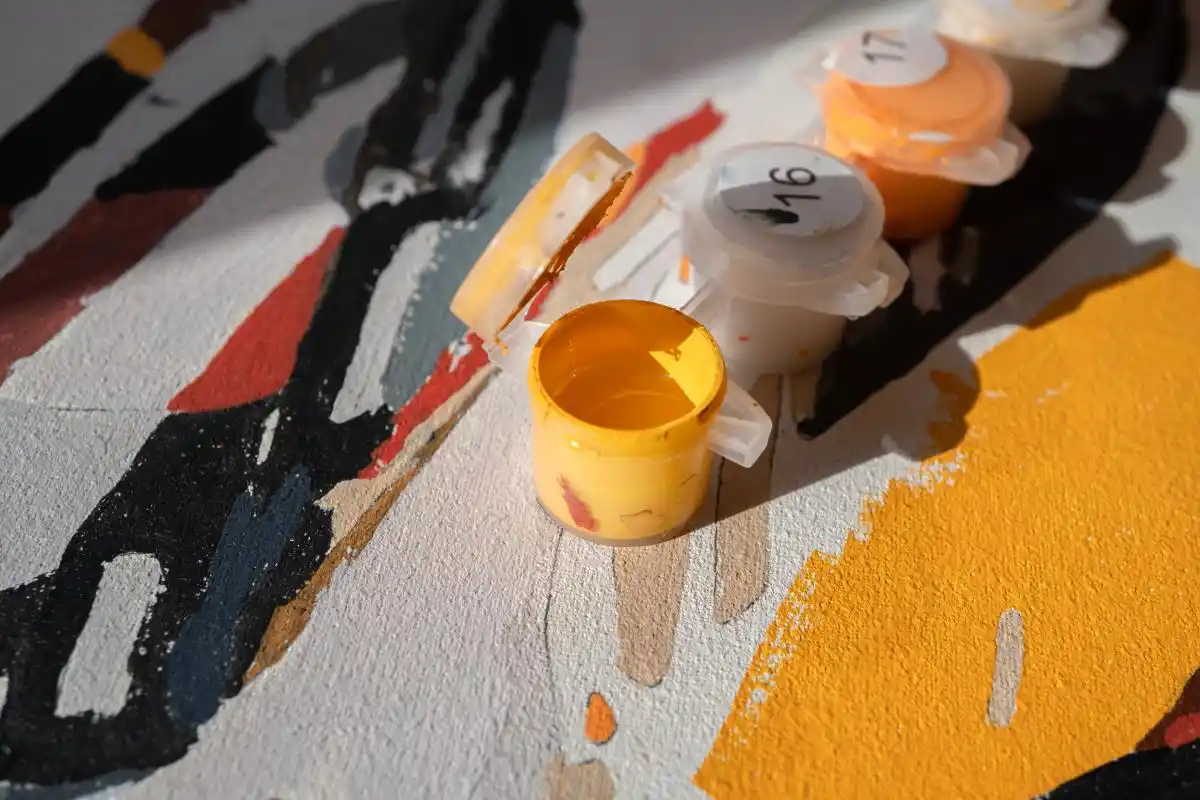
Have you ever found your paint by numbers paint dried out right in the middle of creating your masterpiece? It's a frustrating experience, particularly when you're deeply engaged in your project.
Unfortunately, acrylic paints are sensitive to extreme temperatures and low humidity, causing them to dry more quickly. If you store your paints without sealing them properly or keep them in a warm place exposed to sunlight, they will often dry out. Another common issue occurs when paint containers aren't tightly sealed after each use, allowing air to dry the paint and create a thin, hardened surface.
However, there's good news! Dried-up paint by number paint can be rescued. Since acrylic paints are water-soluble, they can be easily fixed with water, flow improver, or thinning medium. In this guide, we'll show you exactly how to rehydrate paint by number paint that has dried up and how to fix dried paint by number paint using simple techniques. We'll also share practical tips to prevent your paints from drying out again, so you can revive paint by number paint and continue enjoying your artistic journey without interruption.

Why Paint by Numbers Paint Dries Out
First of all, understanding why paint by numbers paint dries out can help you prevent this frustrating situation. Most acrylic paints used in paint by numbers kits are water-based, making them prone to drying when exposed to certain conditions.
Common storage mistakes
Leaving paint containers improperly sealed is the primary reason for dried-out paint. Many artists unknowingly make this mistake by not tightening lids after each use, allowing air to penetrate and harden the paint surface. Storing paints in inappropriate locations is equally damaging. Placing them near direct sunlight or heat sources accelerates deterioration. Moreover, some people store paints in garages or areas with fluctuating temperatures, even though the ideal storage temperature should be between 15.5°C and 26.5°C (59°F to 77°F).
How air and temperature affect paint
Temperature directly influences chemical reactions within paint materials. Higher temperatures speed up the drying process by increasing chemical reactivity, while extreme cold can make paints brittle. For optimal preservation, maintain a relative humidity level of 50-60% in your storage area. Low-humidity environments cause paints to dry faster, whereas sudden temperature fluctuations create stress on the paint's composition. Direct sunlight not only heats paints but also affects their chemical makeup, leading to quicker drying. In addition, strong air circulation can rapidly evaporate moisture from your paints, turning them solid much sooner than expected.
Signs your paint is drying out
Recognizing early signs of drying paint can save your project:
- Separation: Liquid sitting on top with thicker material below
- Consistency changes: Paint becomes tacky, sticky, or difficult to spread smoothly
- Clumping: Formation of lumps that resist smooth blending
- Unusual odor: A strong, unpleasant smell indicates spoilage
- Rubbery texture: Paint that feels like rubber is typically beyond salvaging
Checking paints before each session by gently stirring them can help identify these issues before they become serious problems. Consequently, you'll be better equipped to rescue your paint by number paint before it dries out completely.
How to Fix Dried Paint by Number Paint
Discovering your paint has dried out doesn't mean your project is ruined. I've found several effective methods to restore dried paint by number paints to their original consistency.
Add warm water and stir slowly
Hot water works best for rehydrating water-based acrylic paints. To fix dried paint by number paint, I carefully add warm water drop by drop into the paint pot. Next, I thoroughly stir the mixture and wait patiently for the water to fully incorporate with the dried acrylic paint. This simple method often works perfectly without requiring any special thinners. The key is adding water gradually—too much at once might dilute the paint's pigment concentration.
Use acrylic thinner for semi-dried paint
For paints that aren't water-based or that have become particularly viscous, acrylic thinner offers an excellent alternative. The procedure remains similar: drizzle small amounts of thinner into the paint and stir consistently until reaching the desired consistency. This approach works specifically for semi-dried paint that hasn't completely hardened. Acrylic thinner helps maintain the paint's original properties while restoring workability.
Try flow aid for smoother consistency
Flow improvers have become increasingly popular for reviving paint by number paint. These specialized additives help thin the paint while maintaining adhesion and color vibrancy. To use flow aid, I add a small amount to the dried paint and shake or stir thoroughly. The results can be remarkable—creating a butter-like consistency that applies smoothly. Additionally, flow aid prevents the concerns that come with adding too much water. For optimal results, dilute your paint to a thin consistency with flow aid, creating workable "puddles" of paint.
When to avoid rehydrating completely hardened paint
Unfortunately, not all dried paints can be saved. If your paint has completely hardened or forms persistent lumps when you attempt to dissolve it, it's likely beyond rescue. Furthermore, paints that develop a rubbery texture or unusual odor should be discarded rather than rehydrated. In these cases, attempting restoration might waste valuable time and materials that could be better spent replacing the paint.
Tools and Materials You’ll Need
To effectively rescue your dried-out paint by number paints, gathering the right tools beforehand ensures a smooth revival process. Having these essential items ready will make the difference between salvaging your paints or needing to replace them entirely.
Distilled water and dropper
Distilled water is crucial for rehydrating paints because it lacks the minerals found in tap water that might affect color quality. A precision dropper allows for controlled addition of water—just a drop or two at a time—preventing over-dilution that could weaken color intensity. For optimal results, warm the distilled water slightly before adding it to dried paint, as this helps the paint particles dissolve more readily.
Palette knife or mixing stick
A small palette knife provides precise control when rehydrating dried paints. Its flat surface effectively folds moisture into hardened pigments without creating air bubbles. Alternatively, a wooden mixing stick works well for stirring water into semi-dried paints. Avoid using your paint brushes for this task, as the stirring motion can damage delicate bristles and reduce their lifespan.
Thin brushes for blending
After rehydrating your paint, thin brushes become invaluable for blending and testing consistency. A size 0 or 00 brush helps determine if the rehydrated paint flows properly and maintains color density. These fine brushes are perfect for mixing in additional water or thinning medium without disturbing the entire paint pot.
Airtight containers for resealing
Once you've successfully rehydrated your paints, proper storage prevents future drying issues. Small glass containers with rubber seals offer superior airtight protection compared to plastic alternatives. Alternatively, pill organizers with snap-tight lids make excellent temporary storage solutions. Subsequently, storing these containers in a cool, dark place further extends paint life after rehydration.
Buy 12 Colors Acrylic Paint Set with Painting Brushes for Paint By Numbers
How to Prevent Paint from Drying Again
Now that you've revived your dried-out paints, preventing future drying issues saves time and frustration. Following these practical steps ensures your paint by number supplies remain fresh for longer periods.
Seal paint pots tightly after use
Always double-check that pot lids are properly closed after each use. Undoubtedly, this simple step prevents air exposure that causes drying. Before sealing, remove any dried paint from pot edges or inside the lid—these crusty bits prevent airtight sealing. For containers with damaged lids, wrap the top with plastic wrap before closing to create a tight seal.
Store in a cool, dry place
Keep your paint collection in a cool, dry area away from direct sunlight. Essentially, acrylic paints should never be exposed to frost or extreme heat. The ideal storage environment maintains consistent temperature and humidity levels. Therefore, avoid storing paints in garages, attics, or windowsills where conditions fluctuate dramatically.
Use only small amounts on palette
Work with minimal paint amounts at once—only open one paint pot at a time. This golden rule prevents unnecessary exposure to air. Mix small batches on your palette instead of pouring out large quantities that may dry before use.
Mist with water during long sessions
During extended painting sessions, lightly mist your paints with water using a small spray bottle. This technique maintains moisture levels, especially in dry environments or when working with multiple colors simultaneously.
Conclusion
Rescuing dried-out paint by numbers paint actually requires minimal effort when you know the right techniques. Throughout this guide, we've explored why these paints dry out, from improper storage to environmental factors like temperature and humidity. Most importantly, we've discovered several effective methods to revive them using simple household items.
Water remains the most accessible solution for rehydrating dried acrylic paints, while flow improvers offer superior results for maintaining color vibrancy. Additionally, proper tools like droppers and mixing sticks make the restoration process much more manageable.
Prevention ultimately proves better than restoration. Sealing paint pots tightly after each use, storing them in cool environments away from sunlight, and working with small amounts at a time significantly extend their lifespan. These simple habits will save you both time and frustration during future painting sessions.
Remember that completely hardened paints showing signs of spoilage should be replaced rather than restored. However, with proper care and the techniques outlined above, your paint by numbers kit will remain usable far longer than you might expect. Therefore, you can continue enjoying your artistic journey without interruption, creating beautiful masterpieces one numbered section at a time.


