
Blog
Paint by Numbers Canvas: A Complete Guide to Guided Creativity

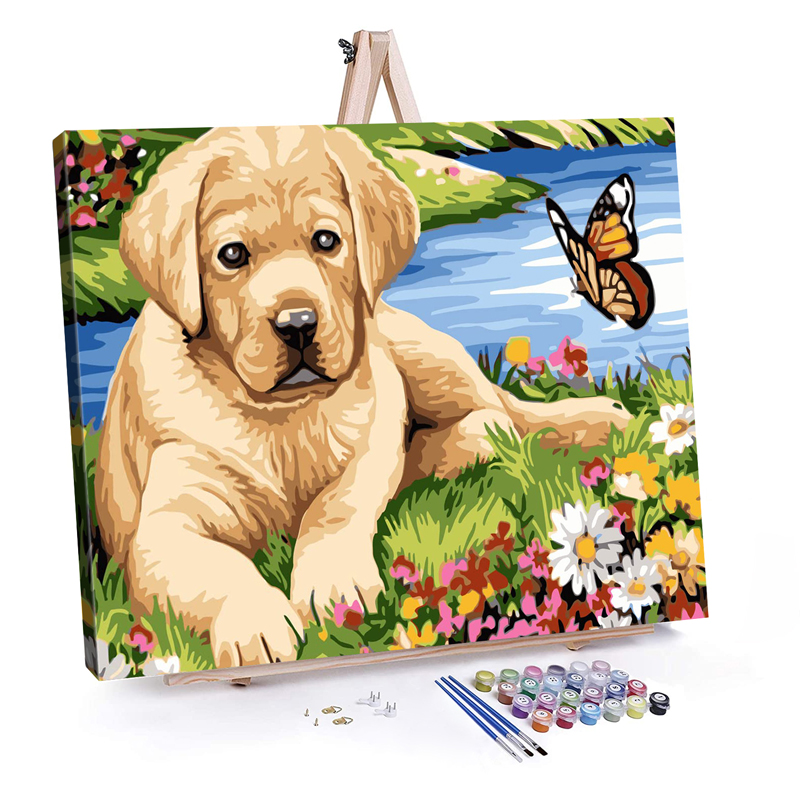
Have you ever looked at a blank canvas, wanting to create something beautiful but unsure where to start? Paint-by-numbers makes it easy. This art form welcomes everyone, no matter their skill or experience, to pick up a brush and finish a painting they can be proud of. The key is the paint by numbers canvas—a pre-printed surface divided into numbered sections, each matching a specific paint color. Once seen as just a children’s activity, paint by numbers has changed a lot. Now, it’s a thoughtful hobby enjoyed by millions of adults around the world. In this article, you’ll learn about the history of paint by numbers, new trends in the industry, its therapeutic benefits, tips for great results, and how to pick or personalize the right kit for your creative journey.
The Origins of a Cultural Phenomenon
The paint-by-numbers phenomenon traces its roots back to 1949 in Detroit, Michigan, where commercial artist Dan Robbins worked for the Palmer Paint Company. Company owner Max Klein tasked Robbins with a straightforward but pressing mission: sell more paint. Robbins, who had previously worked in the art departments of major automakers such as General Motors and Chevrolet, set out to design a hobby kit that would make painting accessible to everyone.
For inspiration, Robbins looked to an unexpected source: Leonardo da Vinci. He recalled hearing how the Renaissance master would challenge his apprentices by handing out numbered patterns indicating where certain colors should be used in specific projects. “I remembered hearing about how Leonardo da Vinci would challenge his own students or apprentices with creative assignments,” Robbins later recounted in his autobiography. “He would hand out numbered patterns indicating where certain colors should be used in specific projects such as underpainting, preliminary background colors, or some lesser works that did not require his immediate attention.”
Using this idea, Robbins created the first paint by numbers prototype. He painted an original piece, put a plastic sheet over it, outlined the shapes for each color, and gave each section a number that matched a paint color. His first kit was called Abstract No. One, a bright still life inspired by abstract expressionists. But the abstract style was too unusual for most people, so Robbins and his team started making more familiar landscapes, still lifes, and portraits.
When the kits launched in 1951 under the Craft Master brand, they were a huge hit. More than 12 million kits sold to families across America in just a few years. At the height of the craze in 1955, about 20 million kits sold in one year, and the company had 800 workers making 50,000 sets each day. People proudly displayed their finished paintings at home, and even the White House had a gallery of paint by numbers art made by staff. The packaging said, “Every man a Rembrandt,” showing that anyone could enjoy making art with these kits.
Still, not everyone liked paint by numbers. Many in the art world looked down on it. One critic in American Art wrote, “I don’t know what America is coming to, when thousands of people, many of them adults, are willing to be regimented into brushing paint on a jig-saw miscellany of dictated shapes and all by rote. Can’t you rescue some of these souls—or should I say ‘morons?’” Critics said the kits made art too simple and didn’t respect the work of professional artists. But Pop Art icon Andy Warhol saw value in making art accessible to everyone. While some saw it as a threat to real art, millions of people enjoyed the chance to create and feel proud of their work.
What Exactly Is a Paint by Numbers Canvas?
A paint-by-numbers kit is simple at heart. Each kit includes brushes, labeled paint pots, and a canvas marked with lines and numbers that form a blank design. You fill in each section with the matching color, and the full picture appears as you go. There’s no need to draw, plan, or choose colors—the canvas guides you, and you bring it to life with your painting.
The quality of the canvas is very important. The best paint by number kits focus on three things: the canvas, the paints, and the brushes. A good linen canvas that is rolled or flat helps the brush move easily and gives a professional look. Top kits also have bright, high-quality acrylic paints and strong canvases that don’t crease or warp. When these parts work well together, painting feels smooth and fun instead of frustrating.
The Modern Renaissance: Paint by Numbers in 2025
Paint by numbers has been around for more than seventy years, but it’s now making a big comeback. Today’s kits are much more advanced than what Dan Robbins first created. The global paint-by-numbers market is expected to grow by 7.1% each year from 2025 to 2033, as more adults look for fun and relaxing activities.
Today’s paint by numbers designs go way beyond the simple landscapes and still lifes of the 1950s. Modern kits feature everything from bright flowers and city scenes to pop-art animals, abstract art, and even copies of famous paintings. There are thousands of options—some brands offer over 3,000 designs, including landscapes, portraits, animals, and seasonal themes.
A few major trends are changing paint-by-numbers today. Personalization is a major one: now you can upload your own photos—like family pictures, vacation shots, or pet photos—and get a custom canvas made just for you. Technology is also making things better, with brands offering apps for step-by-step tutorials and features that let you see what your finished painting will look like before you start.
Sustainability is also becoming important. As people care more about the environment, more companies are making eco-friendly paint by numbers kits. These kits use biodegradable packaging, non-toxic water-based paints, and canvas made from organic cotton or recycled fabric. This change shows that buyers want products that match their values.
Interestingly, what critics once disliked—the structured, rule-based approach of paint by numbers—has become one of its biggest strengths today. The clear steps help people avoid decision fatigue and focus on the calming process of painting. In a world full of distractions and choices, simply following the numbers can feel freeing.
Therapeutic Benefits: The Healing Power of the Paint by Numbers Canvas
Paint by numbers offers more than just a nice picture—it also provides real mental health benefits that experts are starting to recognize. Doing slow, hands-on activities like painting can lower anxiety, reduce stress, and boost your mood. This happens because being creative helps release dopamine, the brain’s “feel-good” chemical, and can improve focus, memory, and sleep over time.
The healing power of paint by numbers comes from its mix of structure and creativity. For people who overthink or find meditation hard, the repeated motion of painting inside the lines can calm the mind and body. It helps you relax and focus on the present. This kind of mindfulness doesn’t require sitting still or clearing your mind—it keeps your hands busy and your attention focused, helping you find a natural flow.
Many people have found this calming effect for themselves. “I’d tried everything—meditation apps, yoga, journaling. But my mind wouldn‘t quiet down,” says one fan. “Then I found myself completely lost in the simple act of matching colors to numbers one evening. Two hours passed, and for the first time in months, my anxiety didn’t follow me to bed.”
The healing power of paint by numbers goes beyond just handling daily stress. In times of deep grief or recovery, these kits can help people heal. One woman used a custom kit after her cat died and found comfort in painting a memorial portrait. “It was therapeutic,” she says. “It was a sensitive issue and needed to be accurate. I was astonished at how similar she was.” Others have used paint by numbers to cope with chronic pain, surgery recovery, and big life changes. Some therapists even use it in art therapy to help with motor skills, thinking, and expressing emotions.
Tips and Techniques for Paint by Numbers Success
Even though paint by numbers is simple, a few smart techniques can turn your painting from a basic craft into something special. Often, it’s the small details in how you work that make the difference between a good painting and a great one.
Begin with lighter colors. It helps to paint the smaller, lighter areas before moving to darker shades. This way, you have more control and can easily fix mistakes, since it’s easier to cover light colors with dark ones. Start with whites, pale yellows, and light blues to set the brightest spots, then add depth with darker colors.
Use good brush technique. The brushes in kits work, but they’re usually basic. Hold your brush the right way, clean it well between colors, and use just the tip for small details. If you want more control, you can buy a few extra brushes in different sizes.
Get your canvas ready. If it comes folded or rolled, it might have creases. To fix this, lay it face down on a clean towel and gently iron the back with a warm iron. Always test a small corner first to make sure the heat doesn’t harm the printed lines.
Paint from the top down. Starting at the top of the canvas and working your way down helps you avoid smudging wet paint with your hand or sleeve. This simple habit can save you a lot of trouble.
Finish one color before moving to the next. It might be tempting to jump around, but painting all sections of one color first keeps you organized and means you don’t have to rinse your brush as often.
Feel free to blend and make it your own. Once you’re used to the basics, try blending colors at the edges instead of leaving sharp borders between sections. This can add depth and make your painting look more natural. You can also add your own background or small details to make the piece unique.
Choosing Your Perfect Paint by Numbers Canvas
With so many choices, picking the right paint by numbers canvas can really affect your experience. If you’re new, start with kits that have bigger sections and fewer colors to help you build confidence. Smaller canvases are quicker to finish, while larger ones have more detail but take more time.
Several reputable platforms have emerged as go-to sources for quality kits. Figured Art specializes in realistic designs with over 3,000 options, including custom kits that turn personal photos into paintable canvases. Canvas by Numbers emphasizes premium materials and offers free shipping on orders over $60, making it easy to stock up on multiple projects. For those seeking traditional craftsmanship, German brand Schipper and American company Dimensions (makers of PaintWorks) are respected names in the industry.
Custom kits are one of the most exciting new options in paint by numbers. Now, you can upload any photo and get a full kit with a numbered canvas, matching paints, and brushes. Some companies even use AI to turn your photos into easy-to-follow templates. This means you can capture family memories, make special gifts, or paint a favorite pet.
When choosing a kit, check for signs of quality. Look for linen or linen-blend canvases instead of paper, make sure the paints are pre-mixed acrylics with good coverage, and see if the kit has brushes in different sizes. Reading reviews and looking at finished project photos can also help you know what to expect.
Conclusion
Paint by numbers started in a Detroit paint factory and has grown into a worldwide creative wellness trend. What Dan Robbins first made to help sell paint became a real way for anyone to make art, and it’s still changing and reaching new people more than 70 years later.
The lasting appeal of paint by numbers is simple: anyone can create. You don’t need special training or talent—just a numbered canvas, some paints, and a willingness to try. Whether you want stress relief, a creative project, a thoughtful gift, or a peaceful way to spend time, paint by numbers is an easy way to start making art. Every brushstroke is a small step, and every finished section is a win. When you look at your finished painting—a landscape, a portrait, or a special memory—you’ll feel the unique satisfaction of making it yourself, one number at a time.